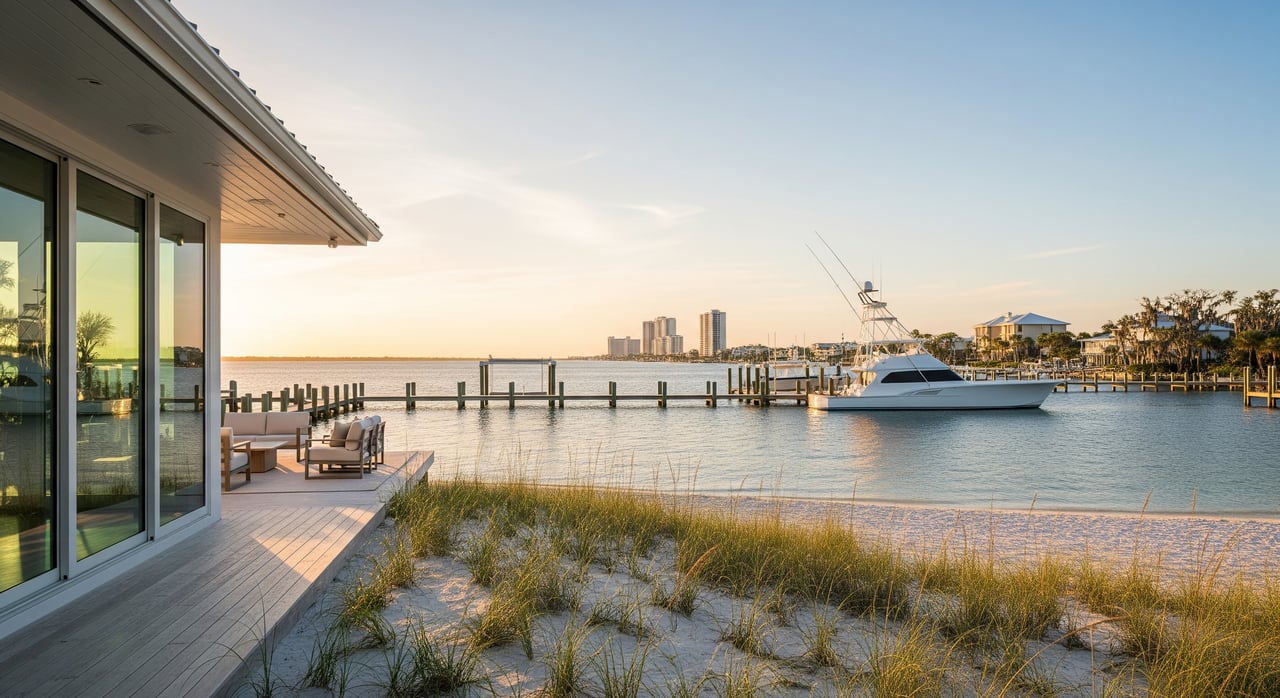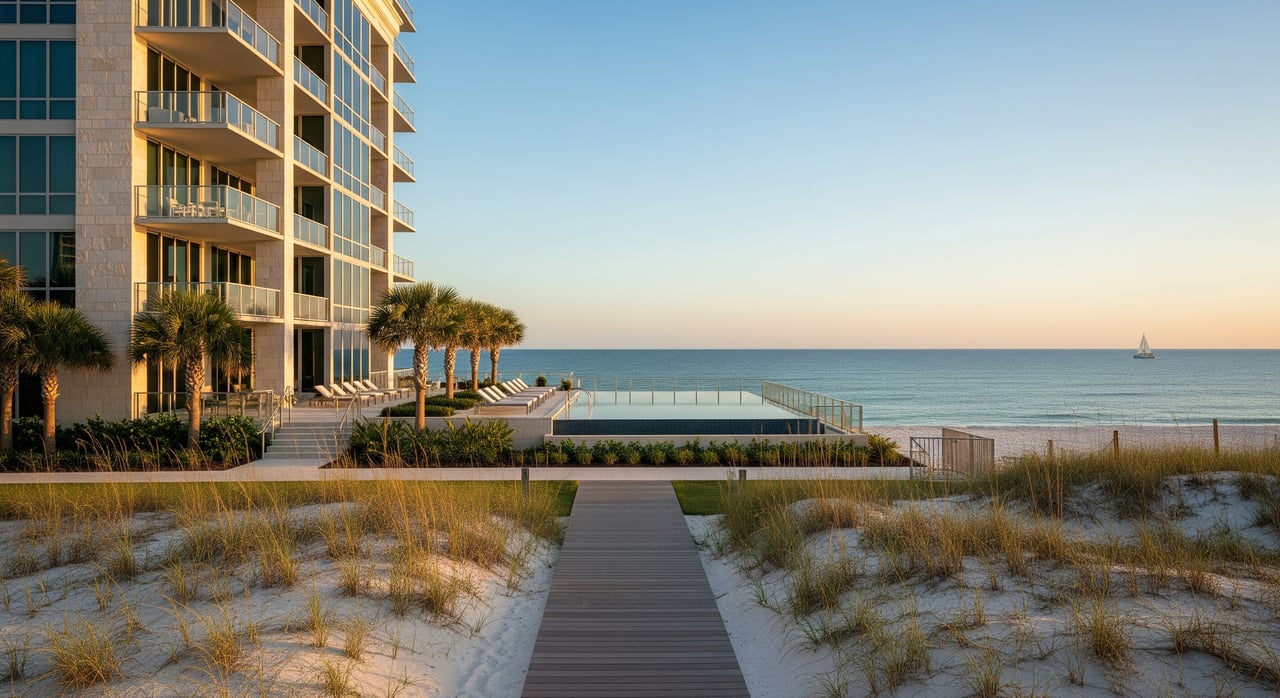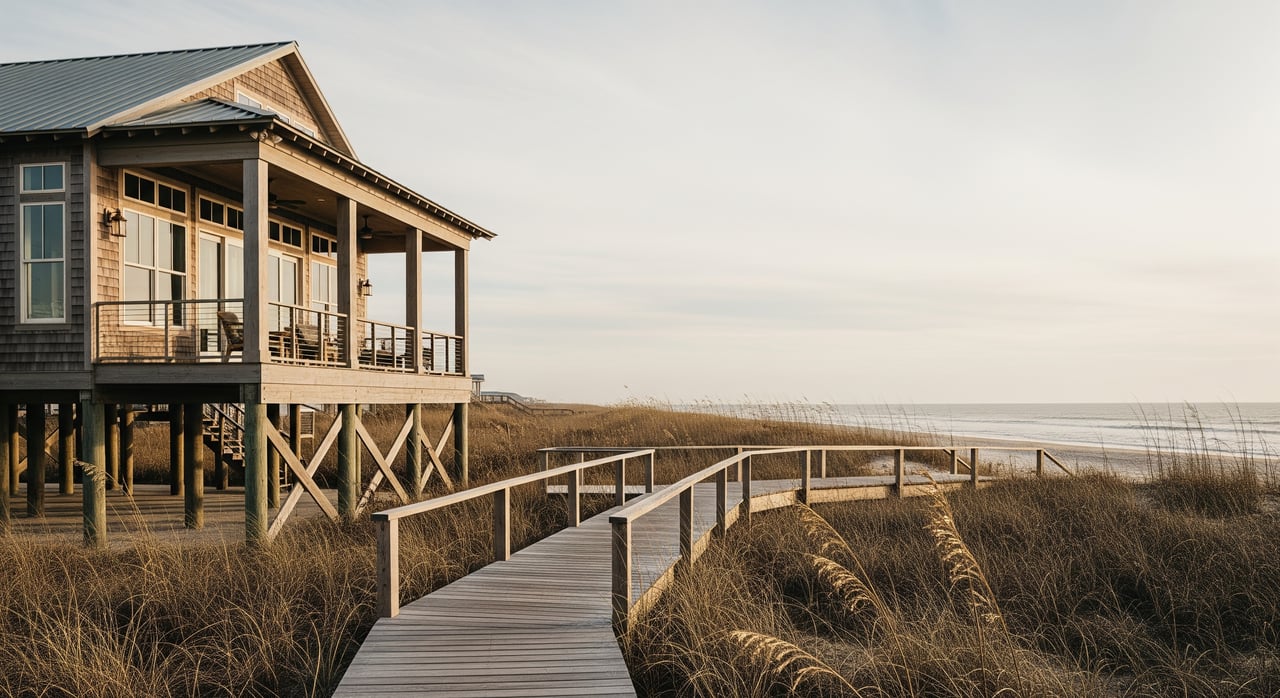
Wondering if the quieter months are the right time to buy in Mexico Beach? If you are weighing value, timing, and due diligence, the fall and winter shoulder seasons can offer real advantages. You will see unique seller motivations, different touring logistics, and opportunities to craft stronger offers. This guide breaks down what to expect and how to act with confidence. Let’s dive in.
Mexico Beach seasonality at a glance
Mexico Beach is a small coastal community with a large share of second homes and vacation properties. In a small market, each listing can move the numbers more than you might expect. That is why month-to-month percentages can look extreme. You are better off focusing on rolling 3 to 12 month averages and watching absolute listing counts.
Seasonality in Northwest Florida looks different than most places. Summer brings peak visitors and short-term rental demand. Late fall through early spring often brings more seasonal residents and relocation buyers. For Mexico Beach, winter can remain active for second-home and relocation buyers, while late summer and early fall see fewer in-person tours because of storm season and travel patterns.
Hurricane season runs from June 1 through November 30. In the fall, that risk can limit new listings and make insurance and structural diligence more important. Mexico Beach’s recovery from Hurricane Michael continues to shape inventory, permitting, and seller decisions.
Off-season inventory patterns
You can expect a few consistent shifts as fall turns to winter:
- Fewer new listings. Many sellers target spring and summer for showings, so selection can narrow in the shoulder months, while price flexibility may improve.
- More motivated or special-circumstance listings. Estate sales, absentee owners, or properties coming to market after repairs or insurance settlements are more common.
- Shadow inventory dynamics. Vacation rentals may be occupied on-and-off, which affects showing access and timing.
Because supply is thin, one or two notable listings can sway the feel of the market. Stay patient, track days on market, and pay close attention to listing histories.
Seller motivation in fall and winter
Understanding why a seller is moving helps you shape your offer:
- Lifestyle-driven sellers may be downsizing or relocating and want a clean, predictable closing.
- Investment sellers may have bought post-Michael and are timing a sale after repairs or rent growth. They often respond to clear financial terms and shorter timelines.
- Insurance or repair-driven sellers may want to exit ongoing costs. They might favor credits at closing instead of completing repairs before you move in.
- Absentee owners may negotiate remotely. Communication and response times can vary, which affects timelines and access.
Fewer competing buyers can increase your leverage for price, credits, and longer inspection windows. That said, if a seller needs a certain net to cover liens or insurance costs, flexibility may be limited. Ask your agent to review time on market, prior listings, and public record indicators to read motivation.
How to tour and vet homes off-season
Touring looks different when crowds thin and rental calendars shift:
- In-person showings may be fewer on holiday weeks, but inspectors and contractors often have more availability.
- Weather can shift quickly. Fall storms or winter winds can affect exterior evaluations, roof views, and dock or shoreline checks.
- Short-term rental occupancy can create tight showing windows. Plan ahead and be ready to move quickly when access opens.
If you are buying from out of the area, use remote touring best practices:
- Schedule live video walkthroughs so you can request closeups of rooflines, foundations, HVAC, and crawl spaces.
- Ask for updated floor plans, measurements, and recent interior and exterior photos. Request video of mechanical systems operating.
- Request drone or high-angle photos for roof, elevation, and neighborhood context.
- Always include an inspection contingency. Remote tours do not replace a licensed inspector or engineer.
Key documents and data to gather early
Coastal due diligence starts before you write an offer. Ask for:
- Flood zone and elevation details. If available, review the elevation certificate.
- Insurance history and current premiums for homeowners and flood coverage, plus any claims history.
- Building permit history and certificates of occupancy, especially for post-Michael rebuilds.
- Short-term rental income history and occupancy if the property is a vacation rental.
- Property tax details and homestead status in Bay County.
For beachfront or elevated homes, consider early input from a structural engineer. Verify utility type, septic condition if applicable, and confirm beach access easements and shoreline protections.
Offers and timing that work
You can succeed in both fall and winter if you tailor your strategy to the season.
Fall vs winter tradeoffs
- Fall, September through November: Pros include motivated sellers and fewer competing buyers. Cons include storm risk, possible insurance uncertainty, and delays if a named storm interrupts inspections.
- Winter, December through March: Pros include more in-person showings, especially when seasonal owners are present. Cons include more competition from second-home and relocation buyers.
Smart contingencies that protect you
- Inspection and insurance: Include inspection, elevation and flood verification, and the ability to secure acceptable flood and homeowners insurance.
- Appraisal and financing: If you are financing, consider an appraisal contingency. Coastal appraisals may rely on a smaller set of comparable sales.
- Timing and earnest money: Choose an earnest money amount and closing timeline that signal commitment while preserving your risk controls. Use flexibility to accommodate inspection and insurance lead times.
Repair credits and occupancy clauses
- Credits can be more practical than demanding pre-closing repairs, especially for structural items or when contractors are backlogged.
- If the home is an active rental, include clauses for access to showings and inspections and require a rent roll and booking calendar.
- For unique situations, seller financing or rent-to-own can exist with smaller owner-occupied sellers. Confirm legal and tax implications before proceeding.
Financing and insurance factors
Coastal lending and insurance drive the numbers more than in inland markets. Lenders will scrutinize flood risk and comparables. For waterfront homes or unique properties, a larger down payment or bridge financing may be needed if the appraisal is conservative.
Flood insurance is a central cost. Obtain early quotes with property-specific details, including address and elevation data. If the elevation certificate is missing and flood cost is material to your decision, plan to order one during due diligence.
Investor notes on rental seasonality
If you are underwriting a short-term rental, assume uneven cash flow through the year. Peak rental income is usually summer, with slower shoulder months. Your pro forma should stress-test vacancy, conservative nightly rates in off-peak months, and realistic expenses for cleaning, utilities, taxes, and insurance.
Confirm transient occupancy tax requirements and any city or HOA rules that affect renting. Ask for actual rent rolls and channel statements when available. Local property managers can help validate seasonality patterns and identify value-add opportunities.
Step-by-step off-season buying checklist
Use this to move from search to closing with fewer surprises:
- Confirm the property’s flood zone and obtain the elevation certificate if available.
- Request quotes for homeowners and flood insurance based on your intended use.
- Ask for building permits, final inspections, and any certificates of occupancy for post-Michael work.
- For rentals, collect the rent roll, booking history, and fee schedules from managers or platforms.
- Schedule a licensed home inspection, and consider a structural engineer for pilings, foundations, or suspected prior damage.
- Verify utility type, septic condition where applicable, and any shoreline or access easements.
- Review Bay County public records for ownership, liens, and assessments before finalizing terms.
- Build offer terms that include inspection and insurance contingencies, practical access clauses, and repair credits when appropriate.
Work with local specialists
In a small coastal market, experienced local guidance can save you time and money. You want a team that understands Mexico Beach seasonality, coastal due diligence, and how to structure offers that address insurance, inspections, and occupancy. The Gene Team is a boutique, service-first group covering Bay and Walton counties. The team supports investors and lifestyle buyers with lender and insurance referrals and can coordinate post-sale rehab and vendors when you need a plan to update a property.
When you are ready, get personal guidance on timing, selection, and negotiation strategies for the off-season. Reach out to The Gene Team for a local plan tailored to your goals.
FAQs
Is off-season a good time to buy in Mexico Beach?
- Yes. With fewer competing buyers, you may see more room for negotiation on price, credits, or timelines, though selection can be tighter.
How does hurricane season affect a fall purchase?
- Fall runs through the heart of storm season, which can reduce in-person touring and add insurance uncertainty, so include strong inspection and insurance contingencies.
What should I check for post-Michael rebuilds?
- Ask for building permit history, final inspections, and any certificates of occupancy, and consider a structural engineer for elevated or waterfront homes.
Can I buy remotely during winter?
- You can. Use live video tours, request drone imagery, and rely on clear inspection and insurance contingencies to validate conditions before closing.
How seasonal is short-term rental income here?
- Income is strongest in summer with slower shoulder months, so underwrite conservatively and verify rent rolls, booking history, taxes, and any local rules before you buy.