If you have been eyeing Mexico Beach and wondering why so many homes sit on tall pilings and why prices vary so much block to block, you are not alone. The city’s rebuild after Hurricane Michael changed how and where homes are constructed, which affects what you pay, how you insure, and how you evaluate risk. In this guide, you will learn what changed in codes and elevation, where new construction is concentrated, what newer homes typically look like, and how to compare options with confidence. Let’s dive in.
The storm that reset the market
On October 10, 2018, Hurricane Michael made landfall near Mexico Beach as an extremely powerful hurricane, a benchmark event that reshaped local housing and investment patterns. The National Hurricane Center’s report details the storm’s track and intensity at landfall, which set the stage for widespread damage in the city (official NHC documentation).
FEMA’s Mitigation Assessment Team found that of roughly 1,692 buildings inside Mexico Beach city limits at landfall, about 85% sustained major structural damage and approximately 48% were destroyed. The team also documented very high water levels, with stillwater around 15.55 feet NAVD88 and wave crests up to about 20.6 feet. These impacts explain the city’s stronger emphasis on elevation and resilient construction moving forward (FEMA MAT findings).
Codes, elevation, and inspections
One of the most important post‑storm shifts is elevation. The city adopted a conservative Design Flood Elevation approach, applying 1.5 feet above the 0.2% annual‑chance flood elevation for rebuilds and new construction. In practice, that means higher finished floors across much of the coastal area, especially on gulf‑exposed lots (FEMA MAT findings).
Technical guidance for coastal homes also steers builders toward elevated pile foundations, open or breakaway lower levels in V and Coastal‑A zones, and the use of flood‑resistant materials below the design elevation. These features are now common in Mexico Beach’s new and rebuilt homes, and they performed measurably better than older at‑grade designs during the storm (FEMA P‑499 coastal construction guidance).
Permitting and inspections run through Bay County for many Mexico Beach projects. As a buyer, you should verify permits, final Certificates of Occupancy, and elevation certificates before you commit. The county portal is the public record for this documentation (Bay County permits portal).
State and federal recovery programs, including Rebuild Florida, have also provided multi‑year funding for housing repair and infrastructure in Michael‑impacted counties. These resources helped stabilize and support the rebuild over time (Rebuild Florida overview).
Where you see rebuilds in Mexico Beach
- Gulf‑front and second‑row lots. The special flood hazard area along the open Gulf extends inland across much of the first and second rows, and dune losses in places pushed stricter coastal requirements into those blocks. These high‑value locations have led the way in elevated rebuilds with engineered foundations and open lower levels (FEMA MAT findings).
- Highway 98 and nearby side streets. Many recent permits and listings cluster along the US Highway 98/Front Beach Road corridor and small cross streets. This reflects infill on original parcels, rebuilds on cleared lots, and select condo or low‑rise projects. County permitting reports show steady activity tied to Mexico Beach addresses (Bay County permit activity).
- Inland and canal/lagoon parcels. Properties away from direct wave action also saw repairs and rebuilds, plus seawall and dock work along canal and lagoon areas. Elevation requirements vary by mapping and local rules, but wind‑resistant design remains a constant (Bay County permit activity).
Practical takeaway: you are not choosing between one big new subdivision or all‑original housing. You are comparing a patchwork of elevated gulf‑front and near‑front builds, Highway 98 infill, and inland or canal homes with varied elevation and foundation types.
What newer homes look like
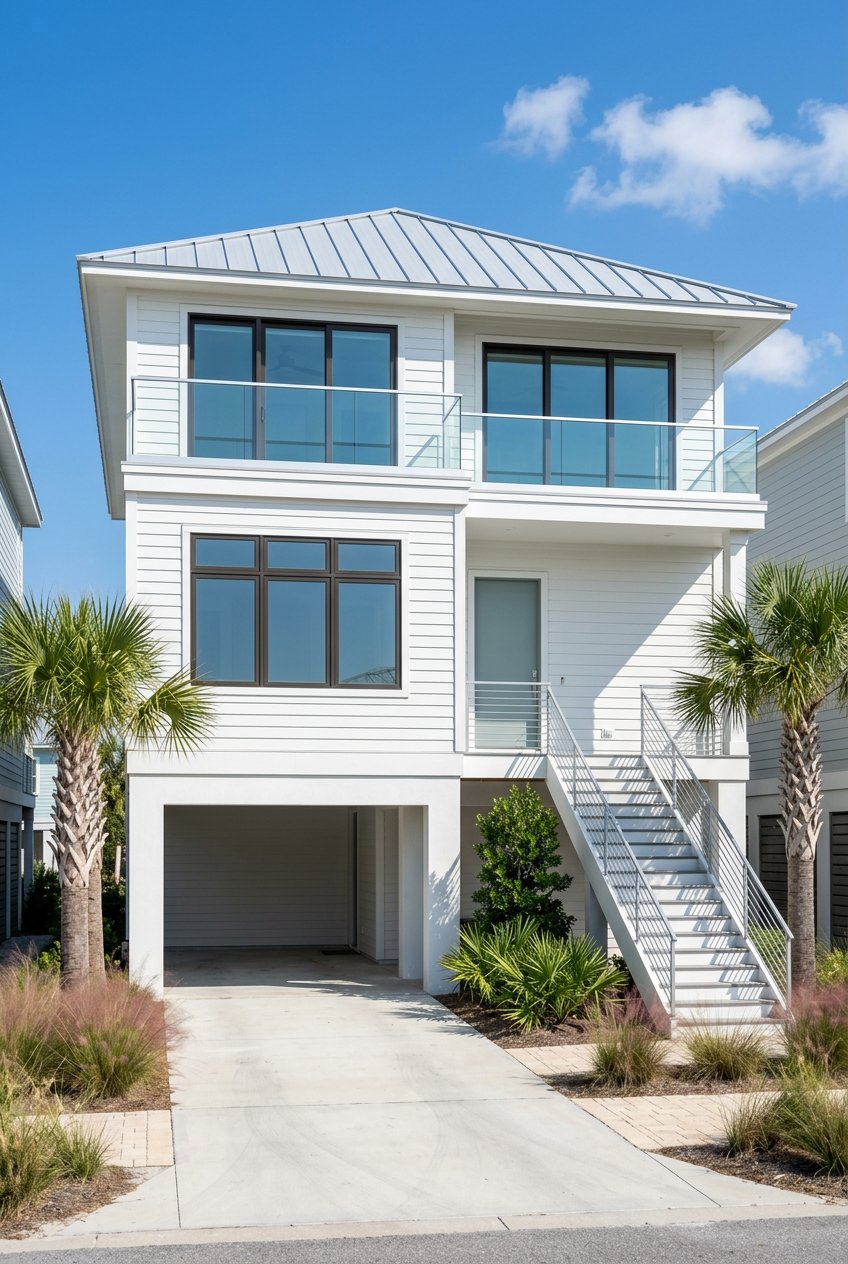
Expect taller forms, often two or three living levels over covered parking or storage. Elevated pile or pier foundations, open or breakaway enclosures at grade, and flood‑resistant materials below the design elevation are common. Hurricane‑rated windows and doors and mechanical systems elevated above flood levels are also typical in recent builds (FEMA P‑499 coastal construction guidance; FEMA MAT findings).
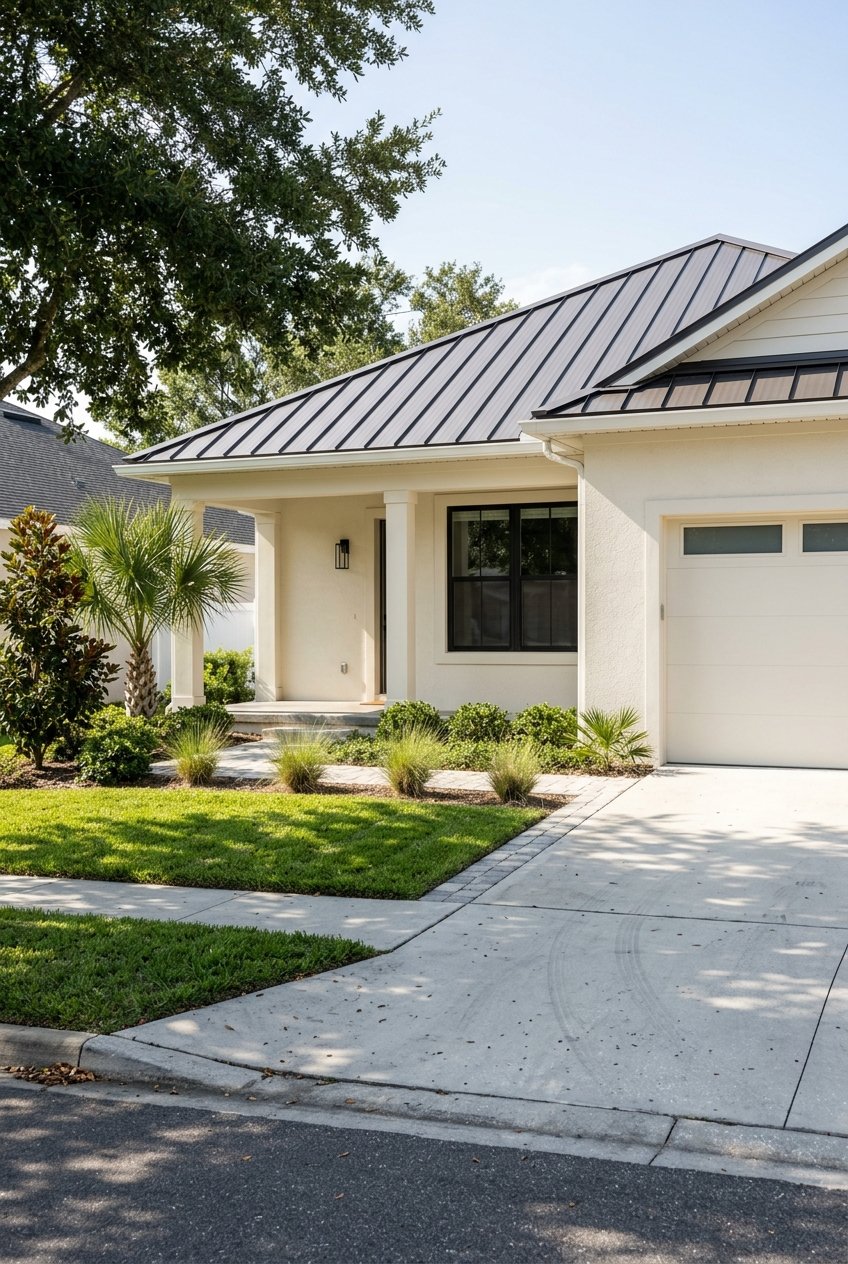
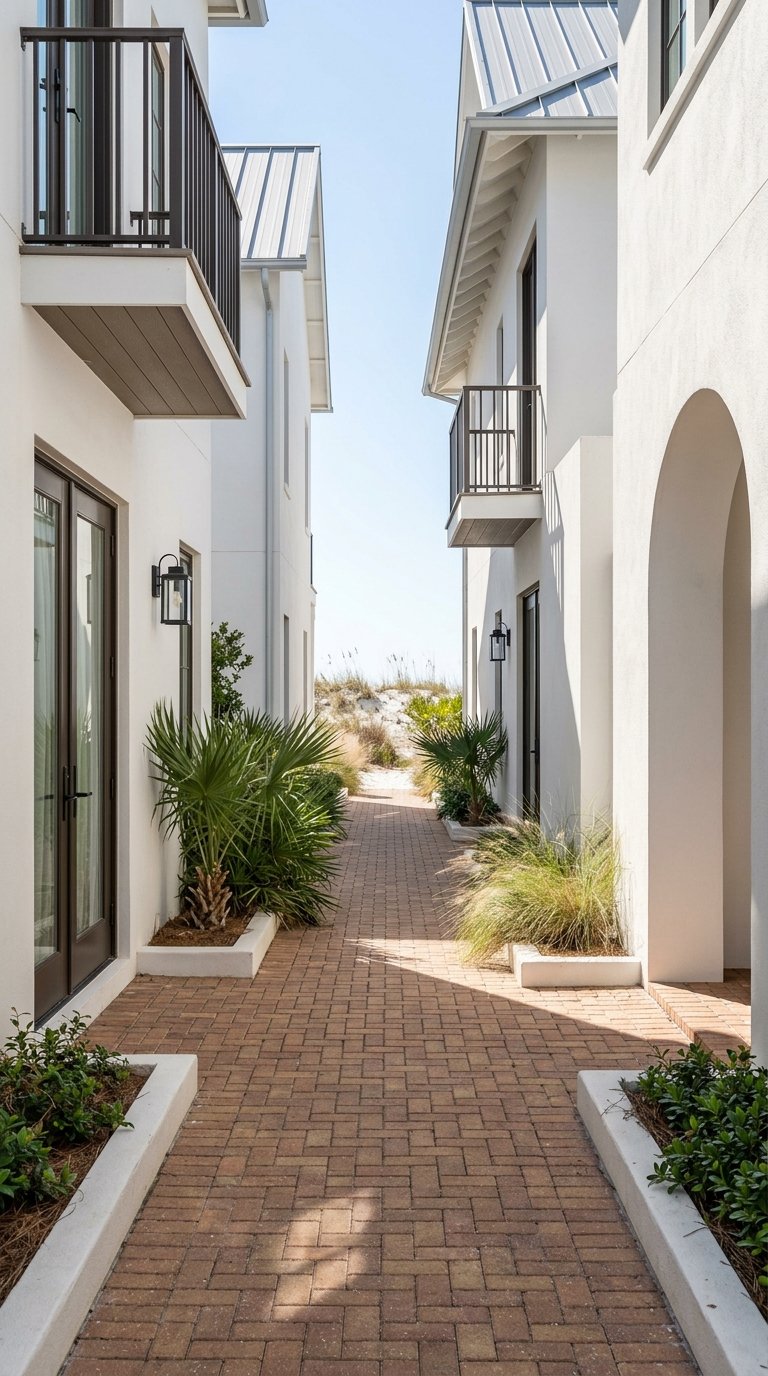
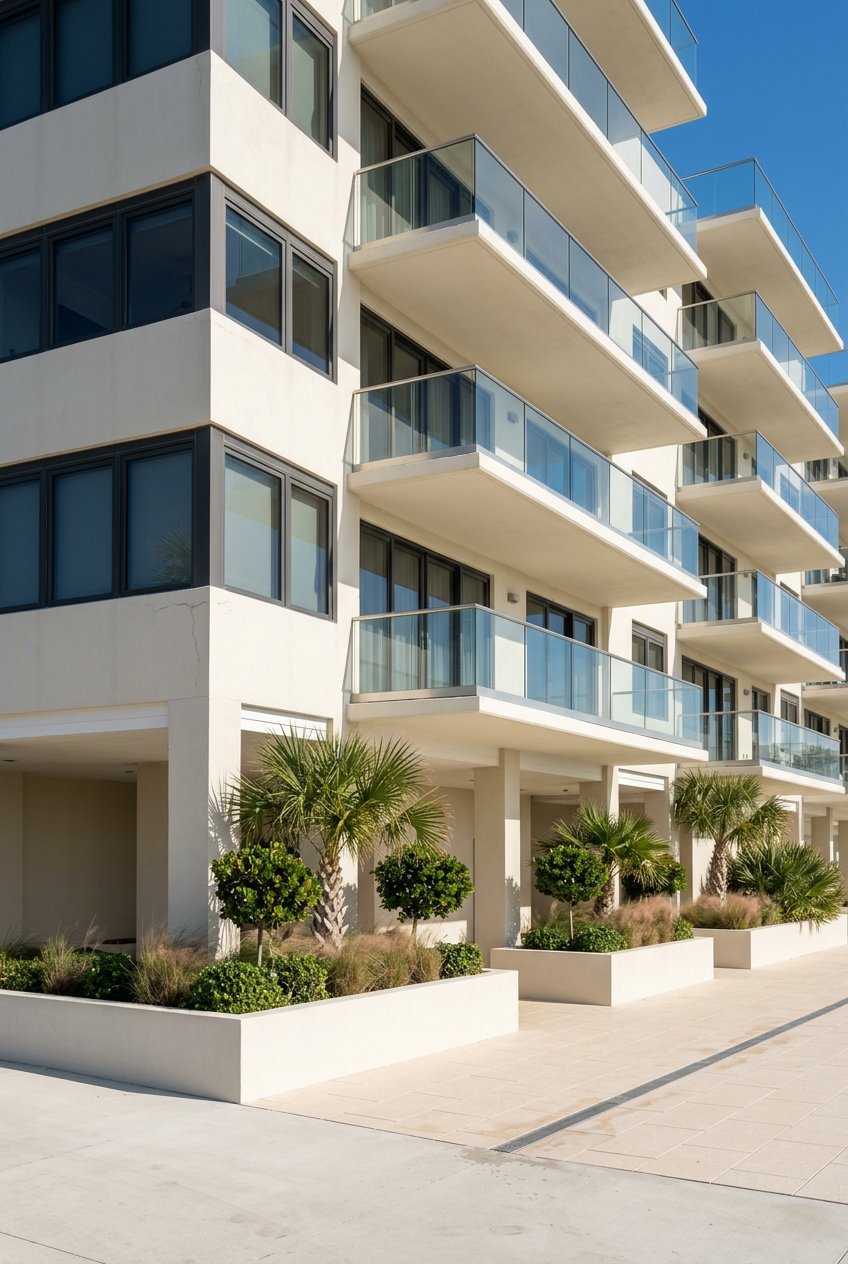
Architecturally, you will see coastal‑modern elevated cottages, multi‑level beach houses with wrap porches, and small low‑rise condo rebuilds near Highway 98. Compared with the pre‑storm single‑level cottage look, today’s homes skew taller with more engineered structure and wind‑resistant detailing.
Why new construction costs more
Newer gulf‑exposed homes often carry a premium because they require:
- Engineered pile or deep foundations and soil work.
- Higher finished‑floor elevations and flood‑resistant assemblies.
- Hurricane‑rated openings and stronger building envelopes.
- Skilled labor and longer schedules in a high‑demand coastal market.
These features raise up‑front costs but can reduce expected future damage and may improve insurability compared with older at‑grade homes in similar locations (FEMA P‑499 coastal construction guidance). Local permitting volumes also show steady rebuilding activity, and builders continue to cite supply and labor pressures that influence timelines and budgets (Bay County permit activity). Workforce and recovery programs have supported capacity over time (Rebuild Florida overview).
Price snapshots and rental context
Recent market snapshots from major portals show a Mexico Beach median listing price around the mid‑$500,000s and a typical home value near the upper‑$400,000s. Active listings commonly place new or recently rebuilt single‑family homes from the mid‑$300,000s to the $900,000s, with gulf‑front lots and higher‑end rebuilds often crossing $1 million depending on frontage. Condos frequently range from roughly $200,000 to $450,000 in current snapshots. Use these figures as orientation only; rely on local MLS comps for precise valuation.
Rents on aggregate portals cluster in the low‑to‑mid $1,800 to $2,100 per month for long‑term figures, while summer vacation rates can be much higher. If you invest, model insurance, flood, maintenance, and vacancy carefully before you underwrite returns.
Market direction is not uniform month to month. One well‑known index recently showed a small year‑over‑year dip in typical value while listing medians remained elevated in the area. Evaluate each parcel on its merits rather than assuming blanket appreciation.
Your due diligence checklist
Use this quick process to compare new construction and rebuilds with confidence:
- Verify permits, final CO, and inspection history through the county (Bay County permits portal).
- Request the elevation certificate and confirm the flood zone and FIRM panel.
- Identify the foundation type and ask for engineer letters on pile or pier systems.
- Confirm whether any enclosure below the living floor is compliant as non‑habitable space.
- Get firm wind and flood insurance quotes from multiple carriers; Florida’s market is dynamic (Florida insurance market context).
- Review recent local sales comps and, for investors, actual or pro‑forma rental performance.
Is new construction right for you?
- If you want lower expected storm risk, newer systems, and modern layouts, elevated new or post‑Michael rebuilds may be worth the premium, especially near the Gulf.
- If you prioritize price per square foot and do not need direct beachfront, inland rebuilds or updated older homes can offer value. Check elevation, flood zone, and resilience features before you compare.
- If you invest for rental income, weigh premium purchase prices against potential insurance savings, stronger traveler demand for newer product, and long‑term resilience.
Work with a local team you can trust
Buying along the Gulf takes informed guidance. You need clear answers on elevation, permitting, insurance, comps, and rental potential. As Panama City Beach and Bay County specialists, we help you compare Mexico Beach opportunities with data and on‑the‑ground context. Our team can provide income estimates, introduce vetted lenders and insurers, and coordinate post‑sale vendor support so you can move forward with confidence. When you are ready to explore, reach out to The Gene Team for a straight‑talk strategy session.
FAQs
What changed in Mexico Beach building rules after Hurricane Michael?
- The city adopted a conservative Design Flood Elevation 1.5 feet above the 0.2% annual‑chance level, and elevated pile foundations with flood‑resistant lower levels are now common, in line with FEMA coastal guidance (FEMA MAT findings; FEMA P‑499 guidance).
Where are most Mexico Beach rebuilds concentrated today?
- You will see clusters along the gulf‑front and second row, the US Highway 98/Front Beach corridor and side streets, plus inland and canal/lagoon parcels, based on FEMA mapping insights and ongoing county permit activity (FEMA MAT findings; Bay County permits).
How do elevated new homes affect insurance costs in Mexico Beach?
- Elevated, code‑compliant construction and mitigation features can help reduce some flood and wind premiums compared with older at‑grade homes, but Florida’s insurance market is fluid, so always secure property‑specific quotes early (market context).
What should I verify before buying a rebuilt home in Mexico Beach?
- Confirm permits and final CO through Bay County, obtain the elevation certificate, verify foundation type and engineer letters, review flood zone and FIRM panel, and compare local comps and rental performance if relevant (Bay County permits portal).
How do prices for new builds compare to older homes in Mexico Beach?
- Newer elevated homes, especially near the Gulf, typically command a premium due to engineering, elevation, and resilient materials; inland or older updated homes can offer lower price points, so compare on a parcel‑by‑parcel basis using recent comps.