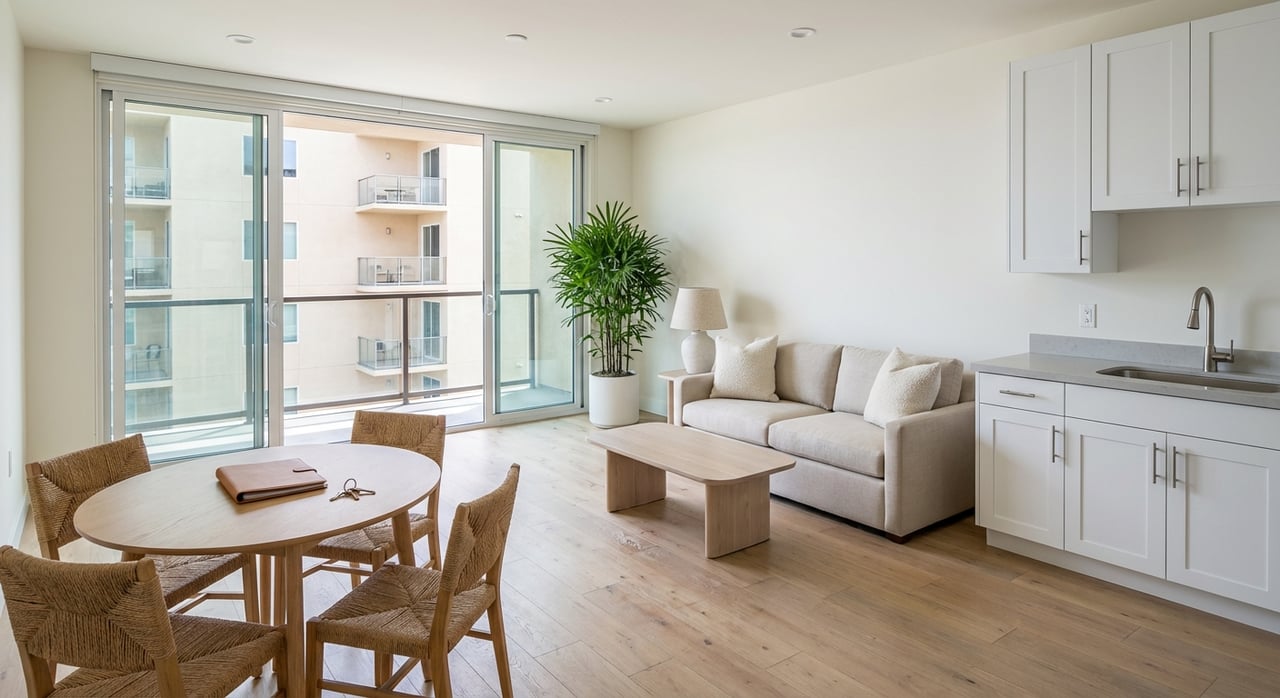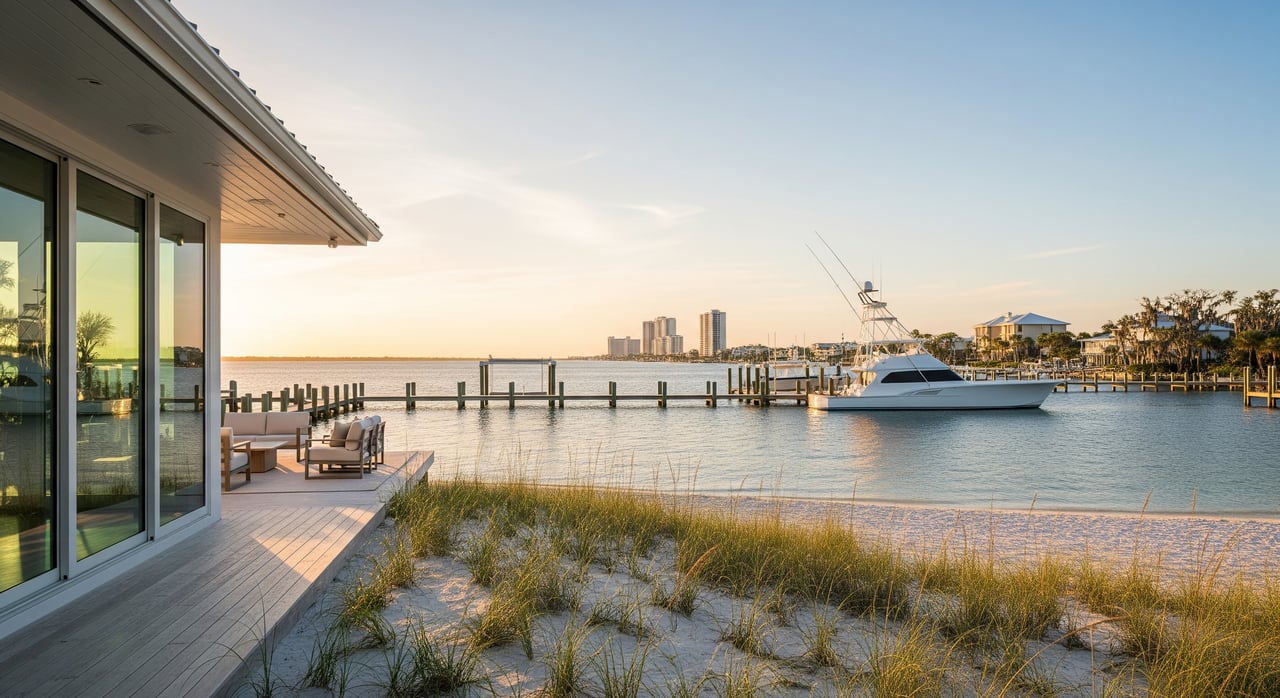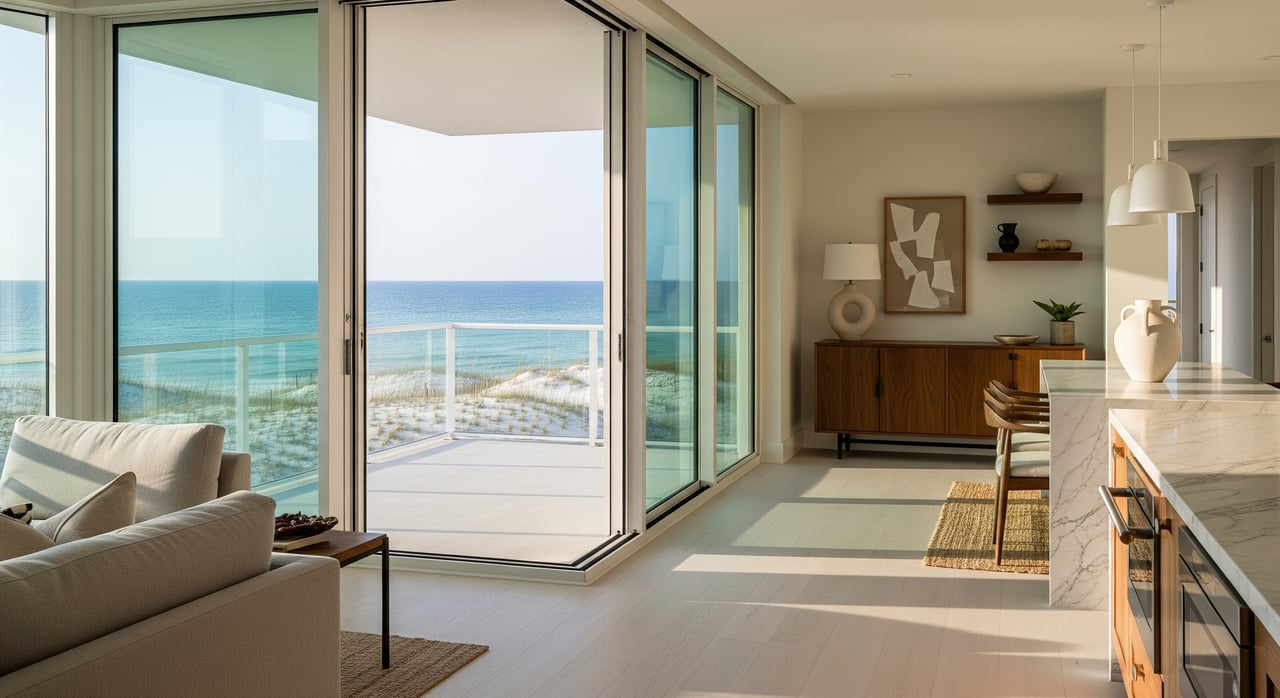
Thinking about listing your Inlet Beach condo and wondering what it’s really worth? Pricing beachfront condos is not guesswork, and it’s not as simple as plugging an address into an online estimator. You want a number that reflects your unit’s view, floor level, rental performance, and association health. In this guide, you’ll learn how a professional pinpoints value in Inlet Beach, what can move your price up or down, why online estimates miss the mark, and what to prepare for a fast, accurate pricing call. Let’s dive in.
What drives Inlet Beach condo value
Accurate pricing starts with the factors buyers value most in this market. Your condo’s price reflects a blend of unit-level details, building strength, and real market data.
- View and position in the building. Direct Gulf views, higher floors, and quiet stack positions usually command a premium. Elevation can also influence flood risk and insurance costs, which affects buyer demand.
- Access to the sand. Dedicated or very close beach access, dune crossovers, and private easements often support higher prices compared to units that rely on farther public access points.
- Size and layout. Square footage, bedroom and bath count, functional floor plans, storage, and whether balconies are enclosed or open all matter.
- Condition and finishes. Recent renovations, coastal-grade materials, impact glass, and well-maintained systems can lift value. Deferred maintenance pulls it down.
- Amenities and common elements. Pools, elevators, on-site parking or garages, fitness facilities, and the overall quality and upkeep of common areas influence both desirability and price.
- Association health and fees. Monthly dues, reserve study results and funding level, any pending or recent special assessments, the building’s master insurance structure, and management quality factor into buyer confidence and affordability under Florida Condominium Act rules.
- Income potential. If the building allows short-term rentals, documented rental history, occupancy, average daily rate, and net operating income can be pivotal for investor buyers.
- Market forces. Recent comp sales, active and pending listings, interest rates, insurance trends, and seasonal demand set the backdrop for pricing.
- External risks and costs. Flood zone designation, elevation certificates, wind and flood insurance premiums, and coastal risks such as erosion or channel maintenance can affect both buyer pools and appraisals.
Inlet Beach specifics to confirm first
Before you price, confirm your condo’s jurisdiction. The Inlet Beach area spans adjacent communities and county lines, so verify whether your parcel sits in Bay County or another local jurisdiction. Rules for short-term rentals can vary by county or municipality, and building-level policies may further restrict rentals.
Local demand in and around Inlet Beach is influenced by proximity to Panama City Beach and the 30A corridor, plus convenient regional airport access. Smaller boutique buildings can trade differently than large resort-style complexes, especially when rental programs are involved. Buyers pay close attention to beach access, dune boardwalks, and whether a unit has private or shared easements. Seasonal occupancy matters for investors, since peak weeks often drive a large share of annual revenue. Insurance availability and premium shifts, especially for flood and wind, are under heavier scrutiny from coastal buyers and lenders.
How a pro builds your valuation
A credible valuation blends a detailed sales comparison with income analysis when rentals are relevant. The goal is a price range you can defend with data.
- Sales comparison approach. The first step is to use recent closed sales in the same building. If none exist, the analysis expands to nearby buildings on the same beach segment. Adjustments are made for floor level, view quality, size, bedroom and bath count, condition, parking, elevator access, and proximity to the beach. Priority is given to sales within the last 6 to 12 months, with time adjustments if the market has shifted.
- Income approach. If your building allows short-term rentals and you have a rental history, a pro will compile your trailing 12 months of revenue, operating expenses, HOA fees, and calculate net operating income. A market cap rate is then applied to cross-check value against the sales comps.
- Cost approach. This is rarely primary for established condos but can serve as a reference point in special circumstances.
To do this well, your advisor will rely on the local MLS for comps and active inventory and confirm parcel details with county property records. They will review association budgets, reserve studies, insurance declarations, and meeting minutes to identify reserve funding and any pending or recent special assessments. Flood maps and elevation certificates inform risk, and rental platform statements help verify occupancy and average daily rate.
Why online estimates miss beachfront condos
Automated valuation models often look impressive, but they miss critical condo-specific details. Most do not see your exact view corridor, floor level, interior condition, or whether your building has a pending special assessment. They rarely incorporate association reserve funding, master insurance terms, or rental restrictions that limit investor demand. Many also overlook income nuance, such as seasonal ADR swings or upcoming booking curves that matter to rental buyers.
Here is a simple example. Two units in the same stack share identical square footage and floor plans. One sits on a higher floor with a direct Gulf view and impact windows, while the other is on a lower floor with a partial view and dated finishes. An online estimator might value them similarly due to similar basics. A local CMA would reflect meaningful adjustments for view, elevation, condition, and insurance-related features. In many beach markets, view differences alone can shift value by 5 to 20 percent, and that range must be confirmed with local comps by building and orientation.
What to have ready for a faster, more accurate call
When you gather the right documents up front, you get a sharper pricing range and clearer strategy.
- Deed and parcel number, plus your latest property tax or assessment notice
- HOA documents: current budget, most recent reserve study, meeting minutes from the past 12 to 24 months, and written rental rules
- Insurance declaration pages for your condo and the association’s master policy
- Recent utility bills
- Rental history: platform statements, monthly gross revenue and occupancy for the last 12 to 36 months, and current booking calendars
- Receipts for upgrades and systems: kitchen, baths, impact windows, HVAC, flooring
- Current photos, a floor plan, and any recent inspection reports
- Notices about special assessments or building repairs such as roof or structural work
What to expect from a professional pricing strategy call
A thorough valuation or pricing strategy call should cover the following steps and deliverables so you can act with confidence.
- Confirm parcel location and jurisdiction, including any rental-rule implications
- Pull and review MLS comps and county records, focusing first on your building
- Evaluate interior condition with photos or a walkthrough to identify high-impact updates or deferred maintenance
- Review association budgets, reserves, insurance structure, and meeting minutes for pending assessments or litigation signals
- Analyze rental performance and building-level rules if short-term rentals are part of your buyer pool
- Check flood zone, elevation certificate, and recent insurance premiums or estimates
- Provide a recommended listing range with rationale and a pricing strategy aligned to today’s inventory and seasonality
- Suggest pre-list repairs, light updates, or staging that add value for this buyer set
- Recommend a marketing position such as targeting investors versus second-home buyers based on your building and unit profile
- Offer a timeline estimate to contract based on current supply, demand, and rental calendar
Pricing strategy tips for listing success
Lead with your strongest value drivers. A direct Gulf view, private beach access, or recent renovations should be front and center in your pricing and marketing. If your building attracts investors, summarize your last 12 months of gross revenue, occupancy, average daily rate, and top earning months. If rentals are restricted, highlight lifestyle benefits and association quality instead.
Be transparent about association health. Buyers today scrutinize fees, reserve funding, insurance, and assessments. Clear documentation reduces friction and supports higher confidence in your price. If a special assessment is pending, address it openly and explain the long-term benefit to the property when applicable.
Dial in your timing. Seasonal demand in Inlet Beach concentrates around spring break, summer, and holidays. If you plan to list near peak season, coordinate with your booking calendar. If you list in the off-season, lean on refreshed photography, targeted digital marketing, and a pricing strategy that reflects current inventory and buyer activity.
Ready to get a data-backed price range and a clear plan to bring your condo to market? Reach out to The Gene Team for a local, professional opinion tailored to your building and unit. From investor-ready income estimates to lender and insurance referrals and light rehab coordination, you get practical help that moves you forward. Connect with The Gene Team to get started.
FAQs
How much does a Gulf view add to an Inlet Beach condo’s value?
- Direct, unobstructed Gulf views often command a premium over partial or no-view units, commonly in the 5 to 20 percent range depending on the building and exact view quality, verified by local comps.
Do higher HOA fees lower my condo’s sale price in Inlet Beach?
- Higher fees reduce affordability and net income for buyers, which generally results in lower pricing compared to similar units with lower dues, especially if fees do not include strong reserves or key utilities.
Will short-term rental income increase my condo’s value?
- Yes, when the building allows rentals and the market supports them; documented net operating income and a market cap rate help quantify value for investor buyers.
How do pending special assessments affect my condo sale?
- Disclosed or anticipated assessments tend to reduce buyer enthusiasm unless the improvement clearly enhances the property, so they should be factored into pricing.
Why is my online estimate different from a pro valuation?
- Automated tools cannot see view quality, floor level, recent upgrades, reserve funding, rental restrictions, or pending assessments, which are essential for beachfront condo pricing.
What documents should I gather before a valuation call for my Inlet Beach condo?
- Bring your deed and parcel number, tax notice, HOA budget and reserve study, meeting minutes, insurance declarations, rental statements, upgrade receipts, photos, floor plan, and any assessment notices.